
Historical Event
Reconstruction
Reconstruction was the period following the American Civil War, spanning from 1865 to 1877, during which the United States grappled with reintegrating the Southern states and addressing the status of formerly enslaved African Americans. Central to this era were efforts to establish civil rights, promote education, and facilitate a new societal order, particularly in places like Greeneville, Tennessee, and Washington, D.C., home to key figures like President Andrew Johnson and civil rights advocate Frederick Douglass.
Why This Matters
The significance of Reconstruction lies in its attempts to redefine freedom and citizenship for African Americans, laying the groundwork for future civil rights movements and shaping the discourse on racial equity in both the United States and Africa. By understanding this pivotal era, continental African students can appreciate the shared struggles and resilience that connect their histories with those of the African American diaspora in achieving rights and recognition.
Timeline Context
Reconstruction & Democracy
See journey timeline
HBCU Legacy Trail
See journey timeline
Black Cowboys & the Western Frontier
See journey timeline
Related People

Andrew Johnson
1808–1875

Benjamin 'Pap' Singleton
1809–1900
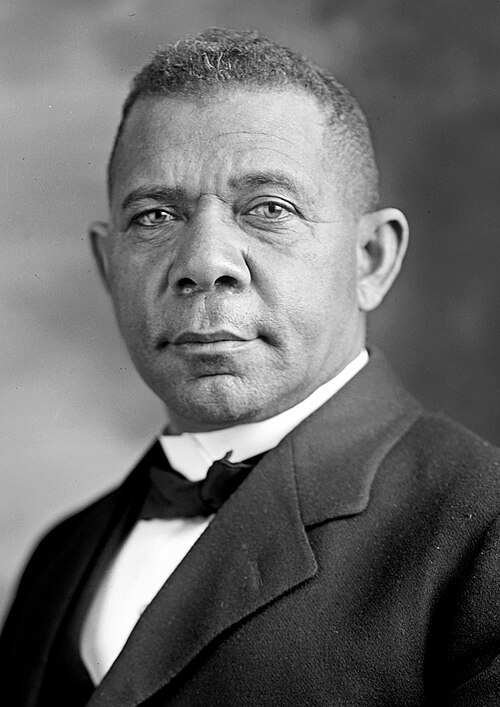
Booker T. Washington
1856–1915

Bryan Stevenson
1959–?

Buffalo Soldiers
?–?

Chadwick Boseman
1976–2020

Charlotte Forten Grimké
1837–1912
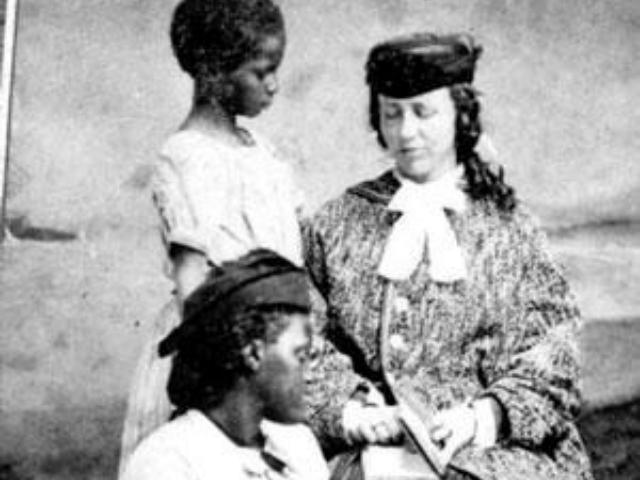
Ellen Murray
?–?
Enslaved workers of Magnolia Plantation
?–?
Exoduster settlers
?–?

Frederick Douglass
1818–1895
Freedpeople of Houston
?–?

Henry Adams
1838–1918

Ida B. Wells
1862–1931

Kamala Harris
1964–?
Laura Towne
?–?
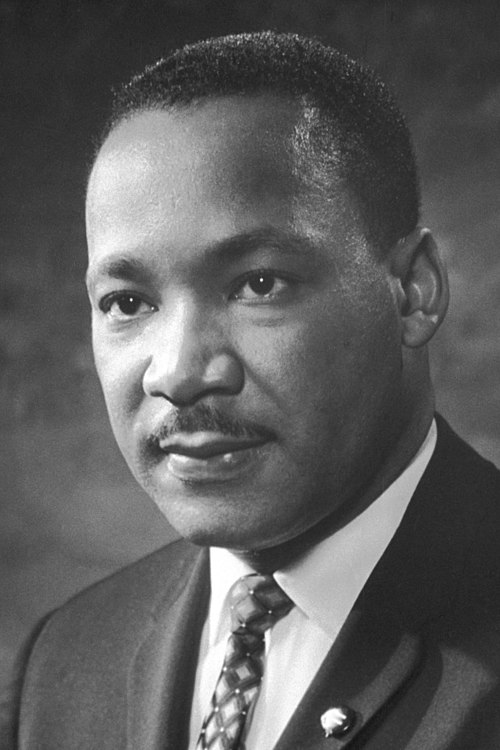
Martin Luther King Jr.
1929–1968
Mary Lou Holt
?–?
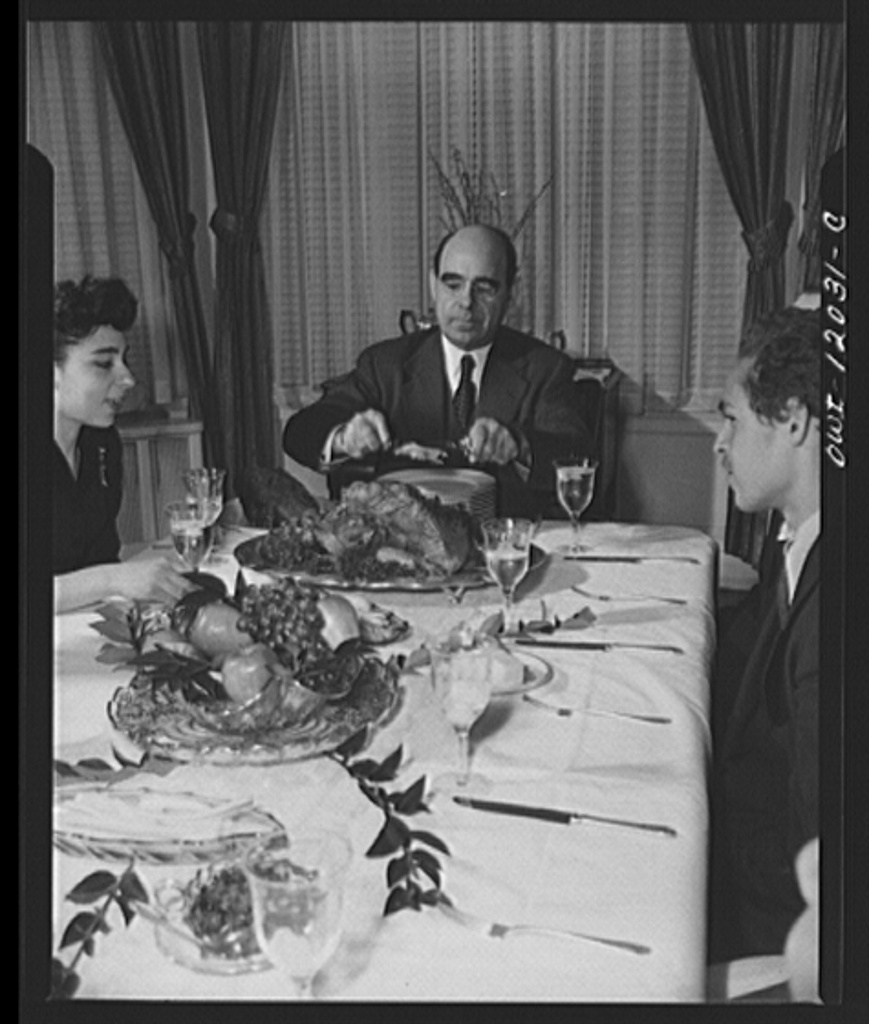
Mordecai Wyatt Johnson
1890–1976
Reverend Jack Yates
?–?
Richard Vanderhorst
?–?

Robert Smalls
1839–1915
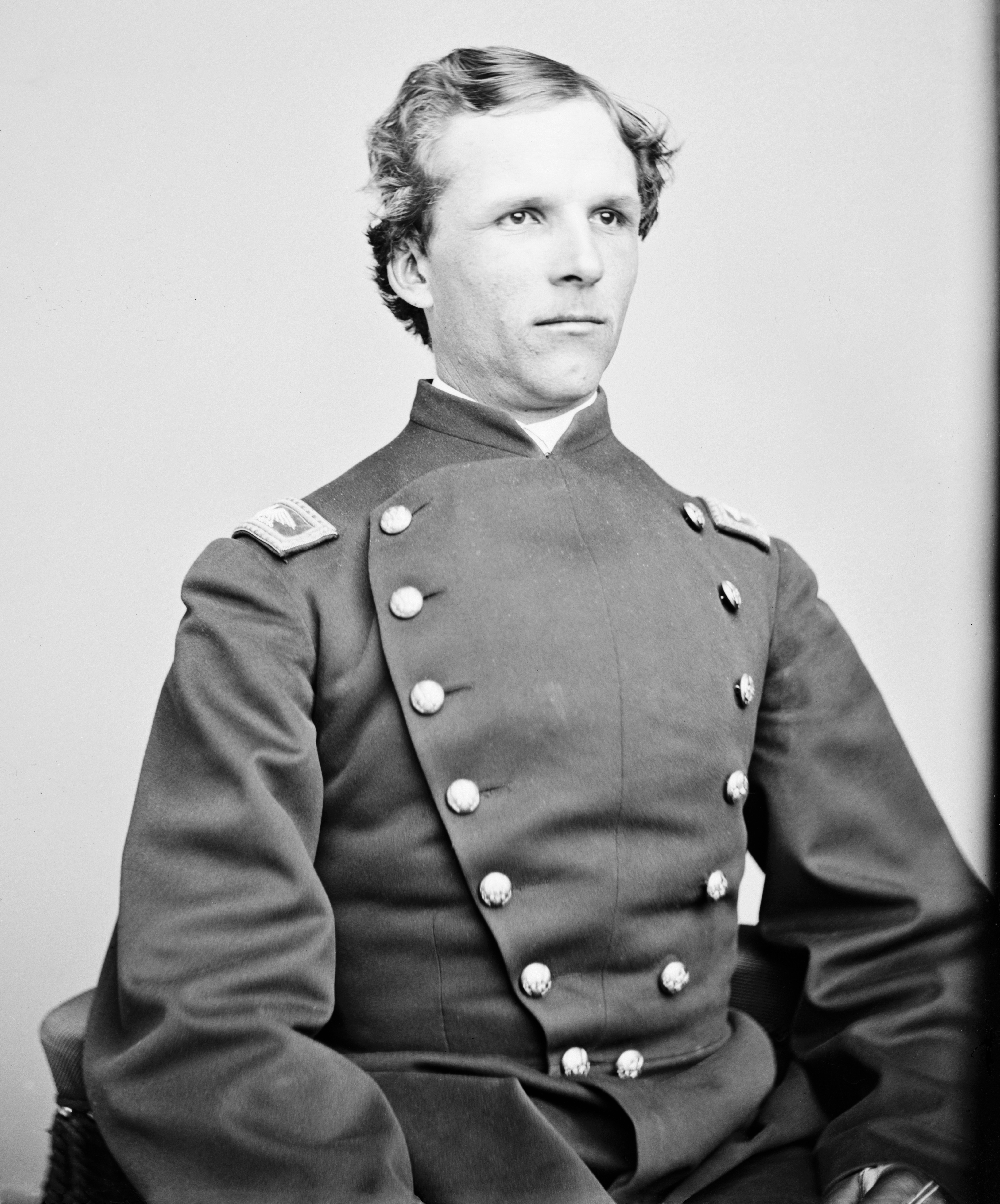
Samuel Chapman Armstrong
1839–1893
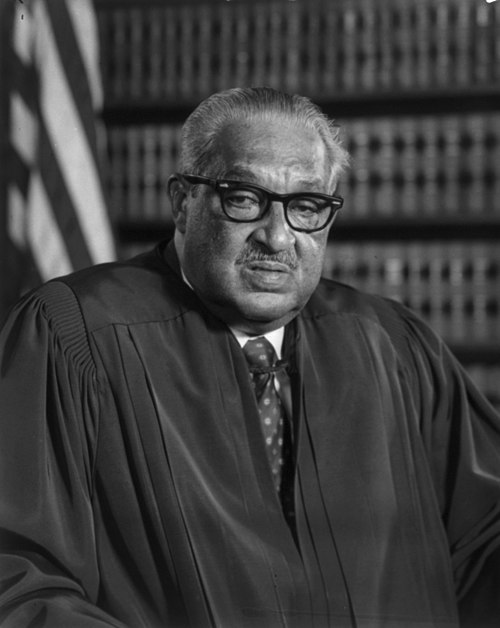
Thurgood Marshall
1908–1993

Toni Morrison
1931–2019
W.R. Hill
?–?
William Henry Miles
1888–1975
Z.T. Fletcher
1846–1927
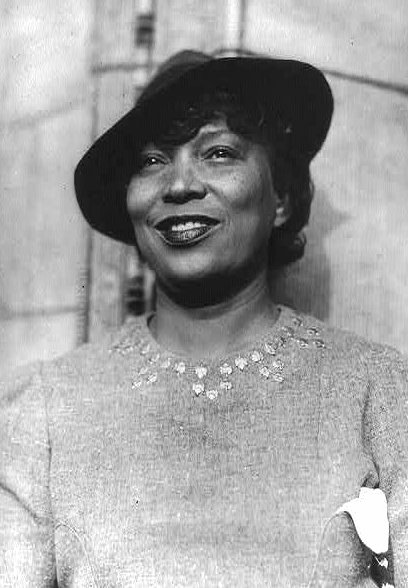
Zora Neale Hurston
1891–1960
Related Heritage Sites
Andrew Johnson National Historic Site
Greeneville, TN
Christian Methodist Episcopal (CME) Church — National Headquarters
Memphis, TN
Fort Gibson Historic Site
Fort Gibson, OK
Fort Larned National Historic Site
Larned, KS
Frederick Douglass National Historic Site
Washington, DC
Freedmen's Town Historic District (Fourth Ward)
Houston, TX
Hampton University
Hampton, VA
Howard University
Washington, DC
Magnolia Plantation and the Slave Street
Cloutierville, LA
Nicodemus National Historic Site
Nicodemus, KS
Penn Center
St. Helena Island, SC
Reconstruction Era National Historical Park
Beaufort, SC
Sumner County, Kansas — Exoduster Settlement Sites
Wellington, KS
The National Memorial for Peace and Justice
Montgomery, Alabama
Related Lessons
How Do We Know What We Know? An Introduction to the Curriculum's Questions
Unit 1
Black Reconstruction: The Congressmen, the Legislation, and the Collapse
Unit 4
The Black Church: Institution, Liberation & the HBCU Pipeline
Unit 4.5
Black Political Representation: From Reconstruction to the Senate Floor
Unit 7
The General Strike & The End of Slavery (1861–1865)
Unit 4