
Historical Event
Harlem Renaissance
The Harlem Renaissance was a cultural, social, and artistic explosion that took place in the 1920s, centered in the Harlem neighborhood of New York City. It marked a period of prolific creativity among African American artists, writers, and musicians, with iconic venues like the Apollo Theater showcasing talents such as Duke Ellington and Langston Hughes.
Why This Matters
This movement not only fostered a profound sense of racial pride and cultural identity among African Americans but also created crucial transatlantic connections, as it influenced and was influenced by African art and thought, thus bridging the histories of continental Africans and the African American diaspora in their shared resistance and quest for freedom.
Timeline Context
The Great Migration
See journey timeline
HBCU Legacy Trail
See journey timeline
Pan-African World
See journey timeline
Art as Resistance
See journey timeline
Related People

Adam K. Spence
1831–1900
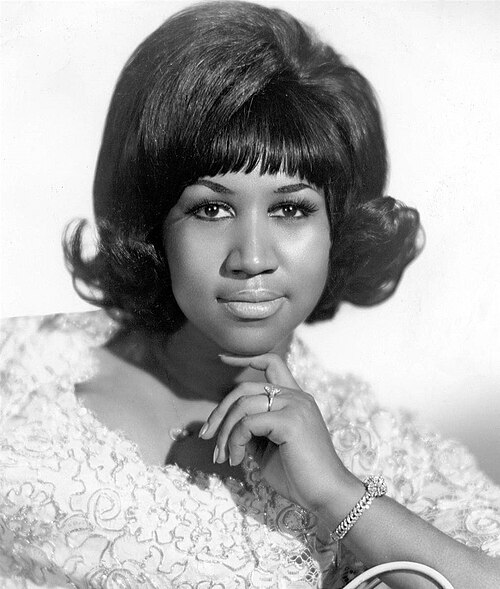
Aretha Franklin
1942–2018

Arturo Alfonso Schomburg
1874–1938

Billie Holiday
1915–1959

Ella Fitzgerald
1917–1996

Erastus Milo Cravath
1833–1900
Fisk Jubilee Singers
?–?

Gladys Knight
1944–?

James Baldwin
1924–1987

James Brown
1933–2006

John Hope Franklin
1915–2009

Langston Hughes
1902–1967

Michael Jackson
1958–2009

Nikki Giovanni
1943–2024
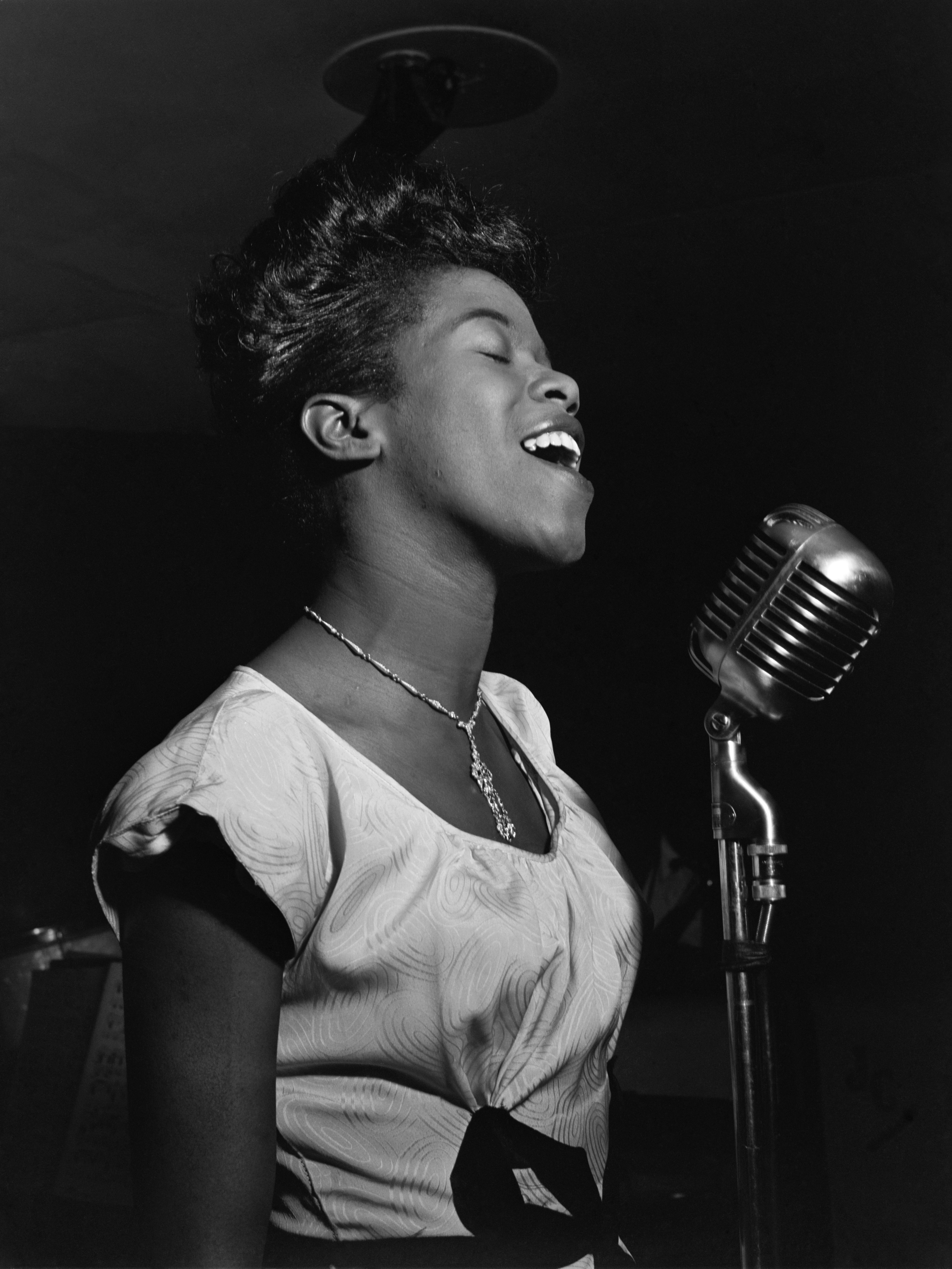
Sarah Vaughan
1924–1990

W.E.B. Du Bois
1868–1963
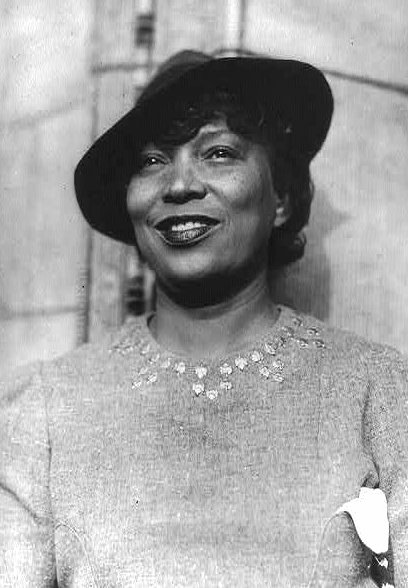
Zora Neale Hurston
1891–1960
Related Heritage Sites
Related Lessons
Serving and Sacrificing: Black Military Service from Reconstruction to World War II
Unit 4.5
Ideas That Changed the World: The Black Intellectual Tradition
Unit 10
Josephine Baker and Montmartre's Black Expatriate Scene
Unit 4
Disenfranchisement, Jim Crow & the Red Summer
Unit 4.5
HBCU to Independence: The African Leaders of Lincoln University
Unit 4.5
Related Journeys
The Great Migration
Six Million People. One of History's Greatest Movements.
HBCU Legacy Trail
Citadels of Black Intellectual Life
Pan-African World
Garvey to Nkrumah — The Global Movement That Linked African Americans to African Independence
Art as Resistance
From the Harlem Renaissance to Hollywood — Culture as Liberation