
Historical Event
Voting Rights Act
The Voting Rights Act, enacted on August 6, 1965, was a landmark piece of federal legislation in the United States aimed at eliminating racial discrimination in voting. The act emerged in the wake of the Selma to Montgomery marches, a series of protests in Alabama organized to highlight the injustices faced by African Americans while attempting to register to vote.
Why This Matters
The Voting Rights Act is crucial in the Transatlantic Reconnection narrative because it symbolizes a pivotal moment of collective resistance against systemic oppression, echoing the same struggle for freedom and self-determination that connects African Americans with their continental African counterparts. This legislation not only transformed American society but also resonated globally, inspiring movements for democratic rights and justice across Africa and beyond.
Timeline Context
Civil Rights Trail
See journey timeline
Related People





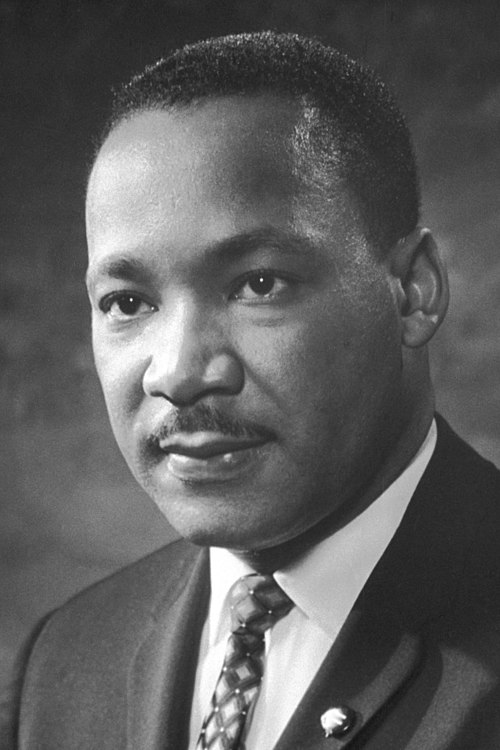

Related Heritage Sites
Related Lessons
How Do We Know What We Know? An Introduction to the Curriculum's Questions
Unit 1
The Debate That Shaped a Century: Douglass, Washington, Du Bois & the Question of Black Freedom
Unit 4
Black Reconstruction: The Congressmen, the Legislation, and the Collapse
Unit 4
The Voting Rights Act, Shelby County, and the Unfinished Franchise
Unit 6
African Americans as Americans: 400 Years of Presence, Contribution, and Cultural Innovation
Unit 6