
Historical Event
Black Arts Movement
The Black Arts Movement (BAM), which flourished from the mid-1960s to the mid-1970s, was a cultural and artistic renaissance centered in urban centers like New York, Chicago, and Pittsburgh, particularly around institutions such as the Schomburg Center for Research in Black Culture and the August Wilson House. It sought to redefine African American identity through literature, music, theater, and visual arts, emphasizing the importance of Black aesthetics and political engagement in contrast to mainstream American art forms.
Why This Matters
The Black Arts Movement is significant to the Transatlantic Reconnection narrative as it not only elevated African American voices and experiences but also forged connections with continental African artists and their struggles, creating a shared sense of identity that transcended geographical boundaries. This cultural dialogue helped to foster a mutual understanding of liberation and self-determination that resonates within both the African diaspora and the broader context of global resistance against colonialism and oppression.
Timeline Context
Art as Resistance
See journey timeline
Related People

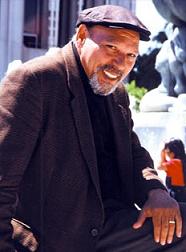


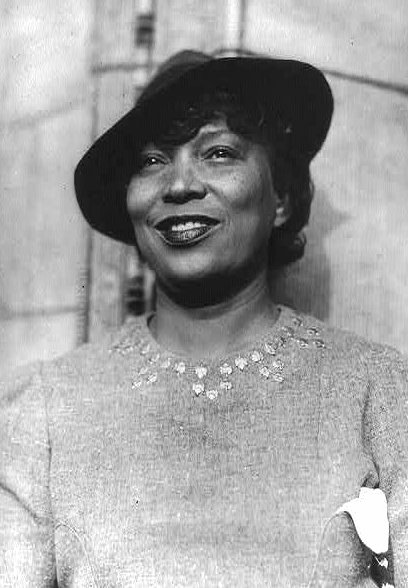
Related Heritage Sites
Related Lessons
From Civil Rights to Black Lives Matter
Unit 7
Malcolm X & the Nation of Islam: Black Nationalism and Self-Defense
Unit 6
The White Normative Gaze and Its Shadows: Respectability, Authenticity, and the Politics of Black Identity
Unit 6
The Harlem Renaissance: Remaking Black Identity Through Art
Unit 6.5
The Literary Diaspora: Black Pulitzer Prize Winners & the Canon They Built
Unit 6.5