
Historical Event
Federal Prosecution of John Brown Under the Slave Trade Act (1797)
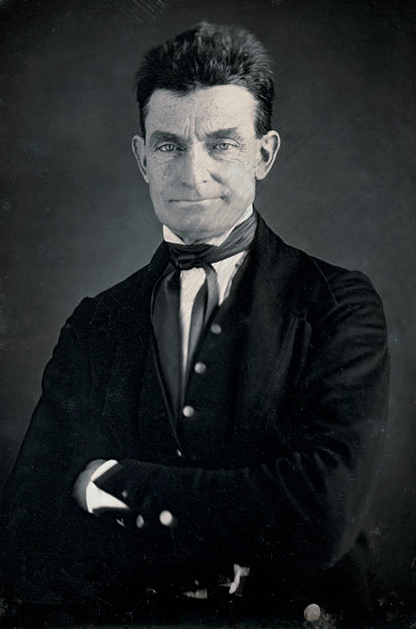
In 1859, John Brown, an ardent abolitionist, was tried and convicted for violating the Slave Trade Act of 1794 after his unsuccessful raid on Harpers Ferry, Virginia, aimed at inciting an armed slave revolt. The trial took place in Virginia, where Brown's actions and subsequent execution galvanized the national conversation on slavery and resistance, highlighting the moral and political fissures in pre-Civil War America.
Why This Matters
This event is significant as it illustrates the extreme measures taken by individuals in the fight against slavery, reflecting the shared struggles for freedom in both the African American diaspora and continental Africa. Brown’s legacy acts as a bridge in understanding the interconnected narratives of resistance against oppression across the Atlantic.
Related People
Related Heritage Sites
Related Lessons
The Experimental Body: Medical Exploitation Under Slavery
Unit 2
Somerset v Stewart: A Narrow Ruling, Widely Misunderstood
Unit 3
The Sons of Africa: Black Britons Argue Their Own Case
Unit 3
The Compromise — Constitutional Complicity (1787–1789)
Unit 3.5
The Legacy — Cotton Kingdom & the Missouri Compromise (1815–1820)
Unit 3.5
Related Journeys
No Journeys Connected
This event has not yet been connected to discovery journeys.