
Historical Event
Civil Rights movement legal strategy
The Civil Rights movement legal strategy, primarily shaped during the mid-20th century, was a coordinated effort to challenge racial segregation and discrimination through the American judicial system, notably spearheaded by organizations like the NAACP. Significant cases, such as Brown v. Board of Education in 1954, took place against a backdrop of historically Black colleges and universities (HBCUs) like Howard University, which served as vital centers for legal education and activism in Washington, D.C.
Why This Matters
This event is crucial in the Transatlantic Reconnection narrative as it underscores the role of African American legal scholars and students from HBCUs in shaping civil rights, fostering a shared legacy of resistance and empowerment that resonates with students and activists across the African diaspora today.
Related People


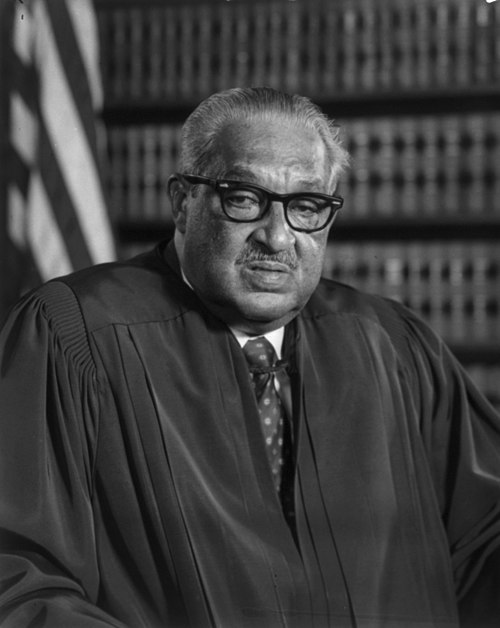

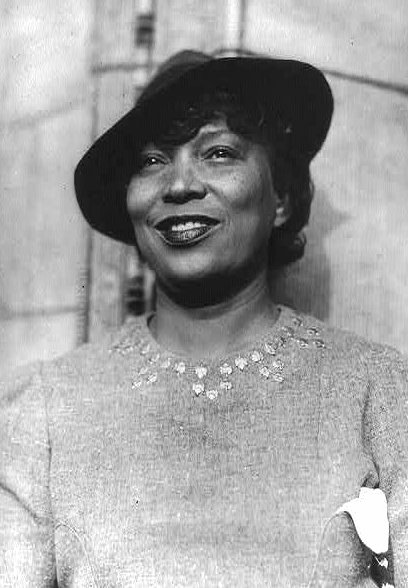
Related Heritage Sites
Related Lessons
The Debate That Shaped a Century: Douglass, Washington, Du Bois & the Question of Black Freedom
Unit 4
The Political Convention & Public Voice (1820–1840)
Unit 4
The Civil Rights Movement: From Brown to Selma (1954–1965)
Unit 6
Mutual Aid and Cooperative Economics: The Tradition That Survived Everything
Unit 8
Ideas That Changed the World: The Black Intellectual Tradition
Unit 10
Related Journeys
No Journeys Connected
This event has not yet been connected to discovery journeys.