
Historical Event
Carver's Agricultural Discoveries
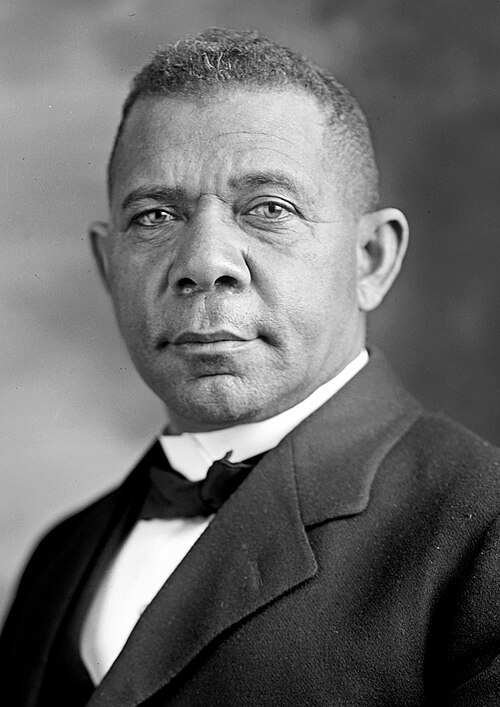
George Washington Carver, an influential African American scientist and educator, developed innovative agricultural techniques in the late 19th and early 20th centuries at the Tuskegee Institute, founded by Booker T. Washington in Alabama. His discoveries, particularly the promotion of crop rotation and alternative crops like peanuts and sweet potatoes, fundamentally transformed farming practices for impoverished Southern farmers, significantly advancing agricultural education within Historically Black Colleges and Universities (HBCUs).
Why This Matters
Carver's contributions exemplify the intersection of science, education, and autonomy in the African American experience, demonstrating a model of self-reliance that resonates across the African diaspora. This bridge of innovation not only empowered African American communities but also reflected shared struggles and resilience that connect Continental African agricultural traditions with the historical narratives of African Americans.
Related People


Related Heritage Sites
Related Lessons
The Debate That Shaped a Century: Douglass, Washington, Du Bois & the Question of Black Freedom
Unit 4
Innovation Against the Odds: Scientists, Inventors and Engineers
Unit 9
How Do We Know What We Know? An Introduction to the Curriculum's Questions
Unit 1
The Belgian Congo: Paternalism as Policy, Education as Weapon
Unit 3
The Architecture of Community — Churches & Aid Societies (1840–1860)
Unit 4
Related Journeys
No Journeys Connected
This event has not yet been connected to discovery journeys.