
Historical Event
Mason v. Smith Freedom Ruling (January 1856)
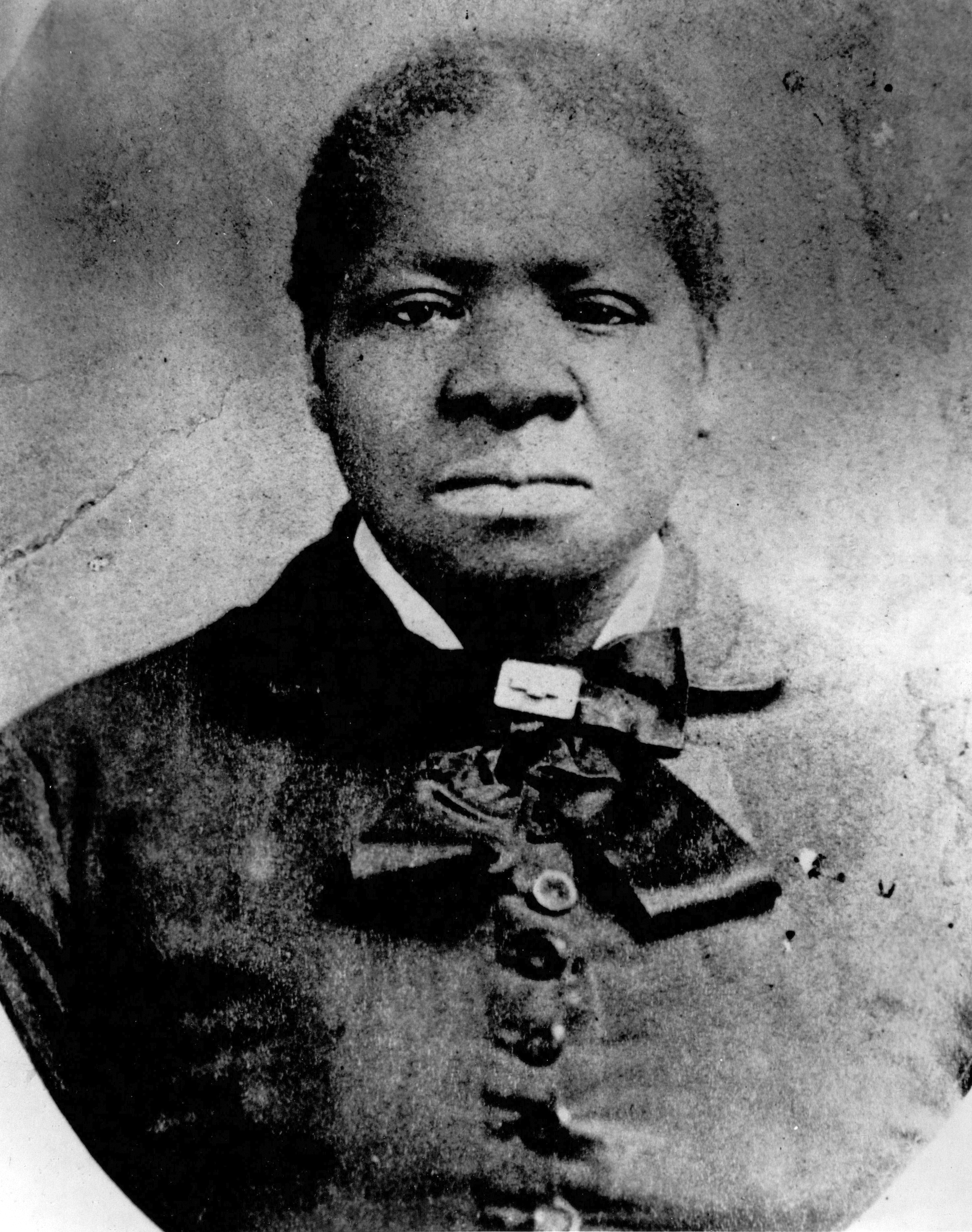
In January 1856, Los Angeles Judge Benjamin Hayes ruled in favor of Bridget "Biddy" Mason and thirteen family members after her enslaver, Robert Smith, attempted to move them from California, a free state, to slaveholding Texas. Because California law barred Black witnesses from testifying against white parties, Mason could not testify directly in her own defense; the case instead turned on the sheriff's own intervention and the surrounding facts of the attempted removal, and Hayes's habeas corpus ruling freed the entire family, a full year before the Dred Scott decision moved national law in the opposite direction.
Why This Matters
This ruling matters because it shows that even within a deeply restrictive legal system, individual judges and communities sometimes intervened to protect Black freedom, offering a counterpoint to the era's more famous failures of justice. Mason's victory, achieved through the vigilance of free Black neighbors who alerted authorities to the attempted removal, underscores how mutual aid networks within Black communities functioned as a parallel system of protection the law itself often refused to provide.
Related People
Related Heritage Sites
Related Lessons
The Haitian Revolution: When Rebellion Won
Unit 3
The Kouroukan Fouga: Africa's Constitutional Charter
Unit 1
Slavery, Indigenous Territory & the Five Civilized Tribes
Unit 2
The Sons of Africa: Black Britons Argue Their Own Case
Unit 3
The Logic of the 1808 Act — Who Really Wanted It Gone? (1800–1807)
Unit 3.5
Related Journeys
No Journeys Connected
This event has not yet been connected to discovery journeys.