
Historical Event
Crenshaw's Kidnapping Indictments (1820s, 1842)
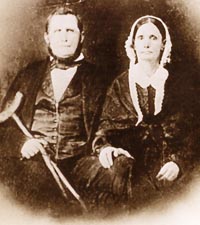
John Hart Crenshaw, who leased enslaved labor from Kentucky under a legal exemption for Illinois's state-owned salt works, was indicted for kidnapping free Black Illinoisans and selling them into Southern slavery in the 1820s and again in 1842. In the 1842 case, he was accused of orchestrating the abduction of a free Black woman named Maria and her children, who were never seen again after being taken south. Crenshaw was acquitted both times, in part because Illinois law barred Black witnesses from testifying against a white defendant, leaving little admissible evidence against him despite widespread local knowledge of his operation.
Why This Matters
These indictments expose the underside of the free-state myth: Illinois banned slavery on paper while its own courts protected a man who trafficked free Black citizens south for profit. The case shows how the legal architecture of the era, not just individual cruelty, closed off avenues of justice, and it connects the domestic reverse slave trade to the same forces of dispossession and displacement that scattered families across the African diaspora more broadly.
Related People
Related Heritage Sites
Related Lessons
Related Journeys
No Journeys Connected
This event has not yet been connected to discovery journeys.