Historical Event
Chisholm Trail cattle drives 1867-1884
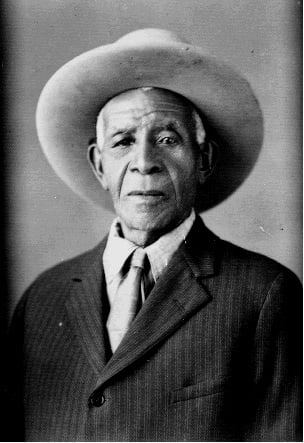
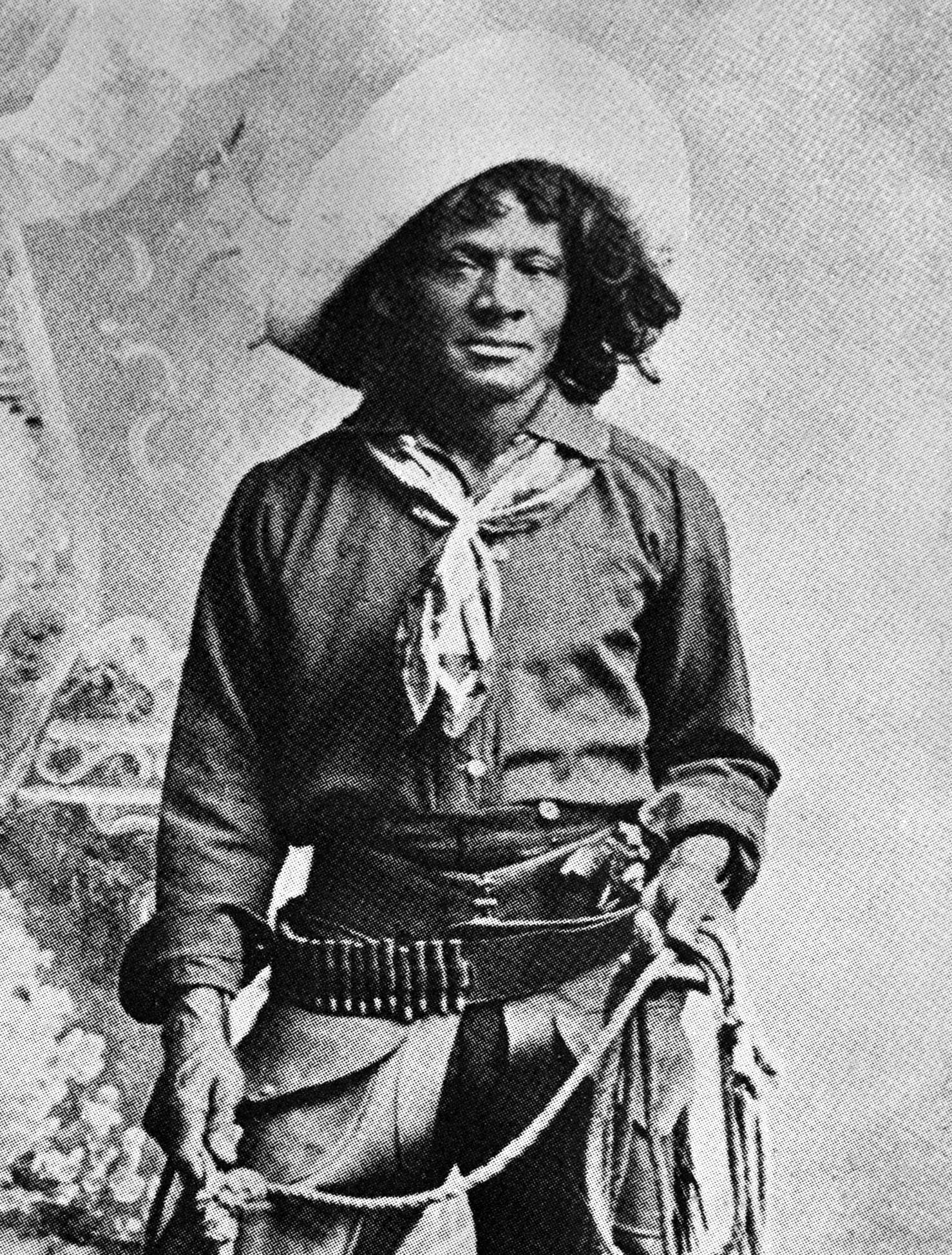
The Chisholm Trail cattle drives occurred between 1867 and 1884, primarily in Texas, as cowboys drove cattle from ranches in Texas to railheads in Kansas, promoting a booming cattle industry in the post-Civil War United States. This trail became notorious not just for its economic impact but also for the significant contribution of Black cowboys, who were integral to the drives despite systemic racism and socioeconomic challenges.
Why This Matters
The significance of the Chisholm Trail cattle drives lies in their embodiment of freedom and economic opportunity for Black individuals during Reconstruction, illustrating a form of resistance against racial oppression. By highlighting the achievements of Black cowboys in this pivotal event, we reconnect narratives across the African diaspora, emphasizing shared experiences of resilience and entrepreneurship in the face of adversity.
Timeline Context
Black Cowboys & the Western Frontier
See journey timeline