
Historical Event
Brown v. Board of Education Supreme Court case
The Brown v. Board of Education Supreme Court case, decided on May 17, 1954, in Topeka, Kansas, was a landmark decision that declared state laws establishing separate public schools for black and white students unconstitutional. This unanimous ruling effectively overturned the 'separate but equal' doctrine established by Plessy v. Ferguson in 1896, igniting the Civil Rights Movement and promoting desegregation in schools across the United States.
Why This Matters
This case is significant in the Transatlantic Reconnection narrative as it marked a pivotal moment in the struggle for civil rights, highlighting the shared experiences of African Americans and continental Africans in challenging systemic racism, and underscores the importance of education as a tool for empowerment and equality in both contexts.
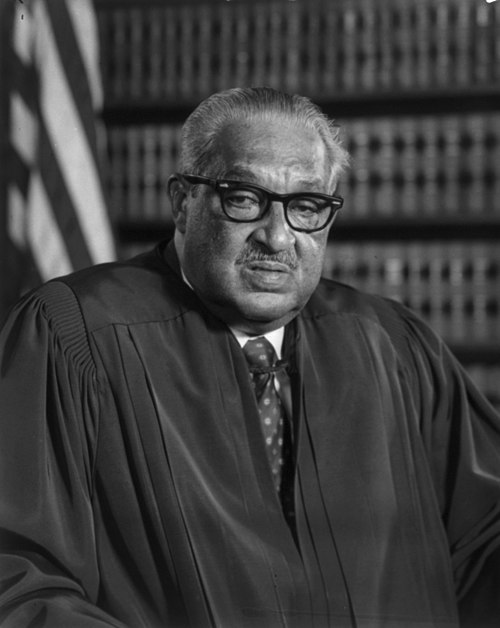
Related People

Related Heritage Sites
Related Lessons
How Do We Know What We Know? An Introduction to the Curriculum's Questions
Unit 1
The Civil Rights Movement: From Brown to Selma (1954–1965)
Unit 6
The Engineered Divide: Colorism & the Plantation Hierarchy
Unit 3
The Debate That Shaped a Century: Douglass, Washington, Du Bois & the Question of Black Freedom
Unit 4
Black Reconstruction: The Congressmen, the Legislation, and the Collapse
Unit 4
Related Journeys
No Journeys Connected
This event has not yet been connected to discovery journeys.