
Historical Event
Black vaquero tradition
The Black vaquero tradition emerged in the 19th century, particularly along the Chisholm Trail in Texas, where Black cowboys played a crucial role in cattle drives and ranching activities following the Civil War. By the 1870s, many Black men, often formerly enslaved, became skilled cowhands, contributing significantly to the cattle industry, shaping the cultural narrative of the American West while working to secure their economic freedom and autonomy.
Why This Matters
This tradition highlights the essential roles Black individuals played in the development of the American frontier and underscores a broader history of resistance and entrepreneurship within the African American community. By connecting the narratives of Black vaqueros to their African heritage and contemporary diasporic identities, we can foster a deeper understanding of resilience and cultural exchange across the Atlantic.
Timeline Context
Black Cowboys & the Western Frontier
See journey timeline
Related People


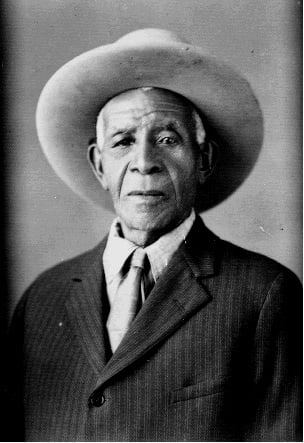
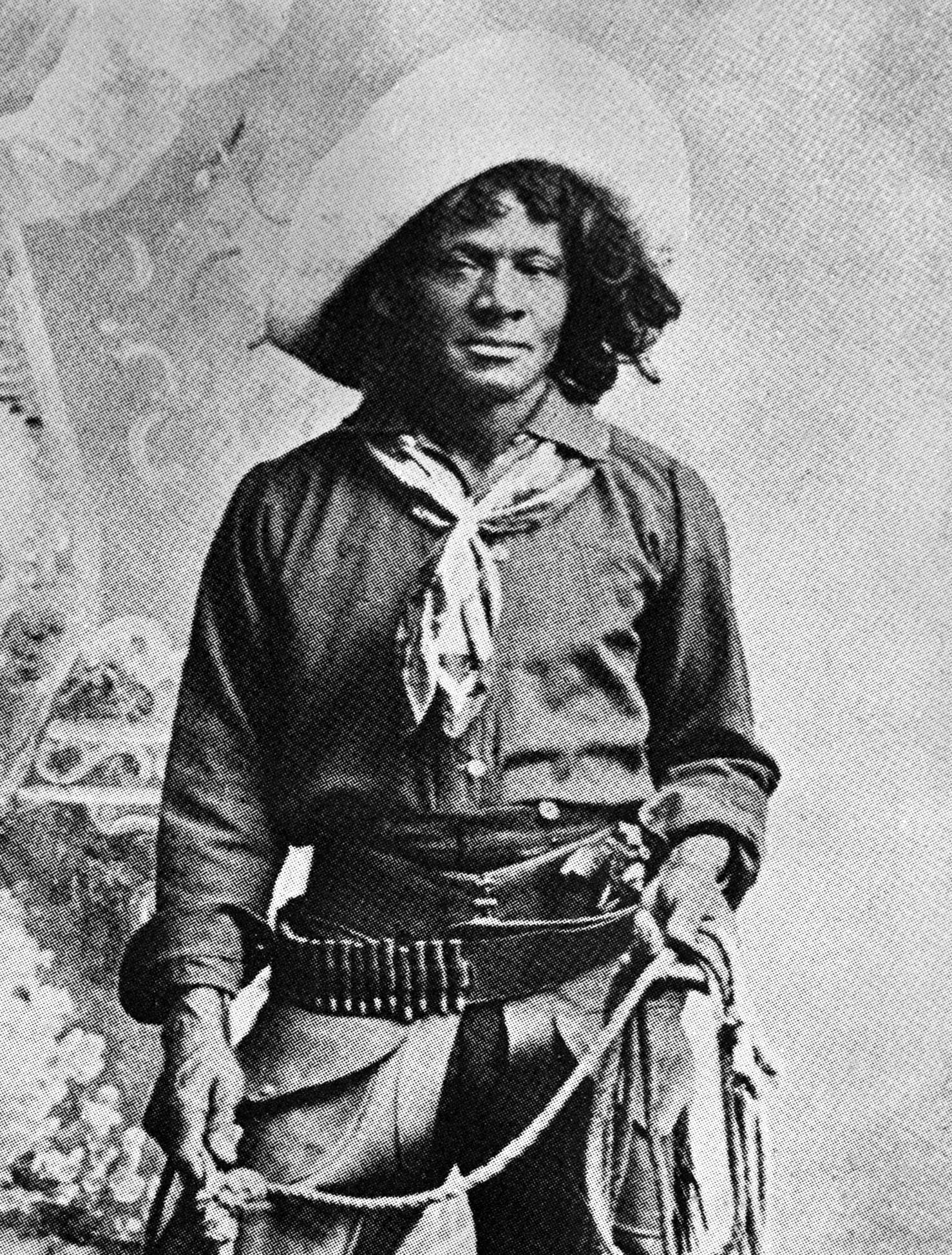
Related Heritage Sites
Related Lessons
African Americans as Americans: 400 Years of Presence, Contribution, and Cultural Innovation
Unit 6
Mutual Aid and Cooperative Economics: The Tradition That Survived Everything
Unit 8
What Survived the Crossing?
Unit 1
How Do We Know What We Know? An Introduction to the Curriculum's Questions
Unit 1
1492: The Fall of Granada and the End of Al-Andalus
Unit 1