
African History · Unit 9
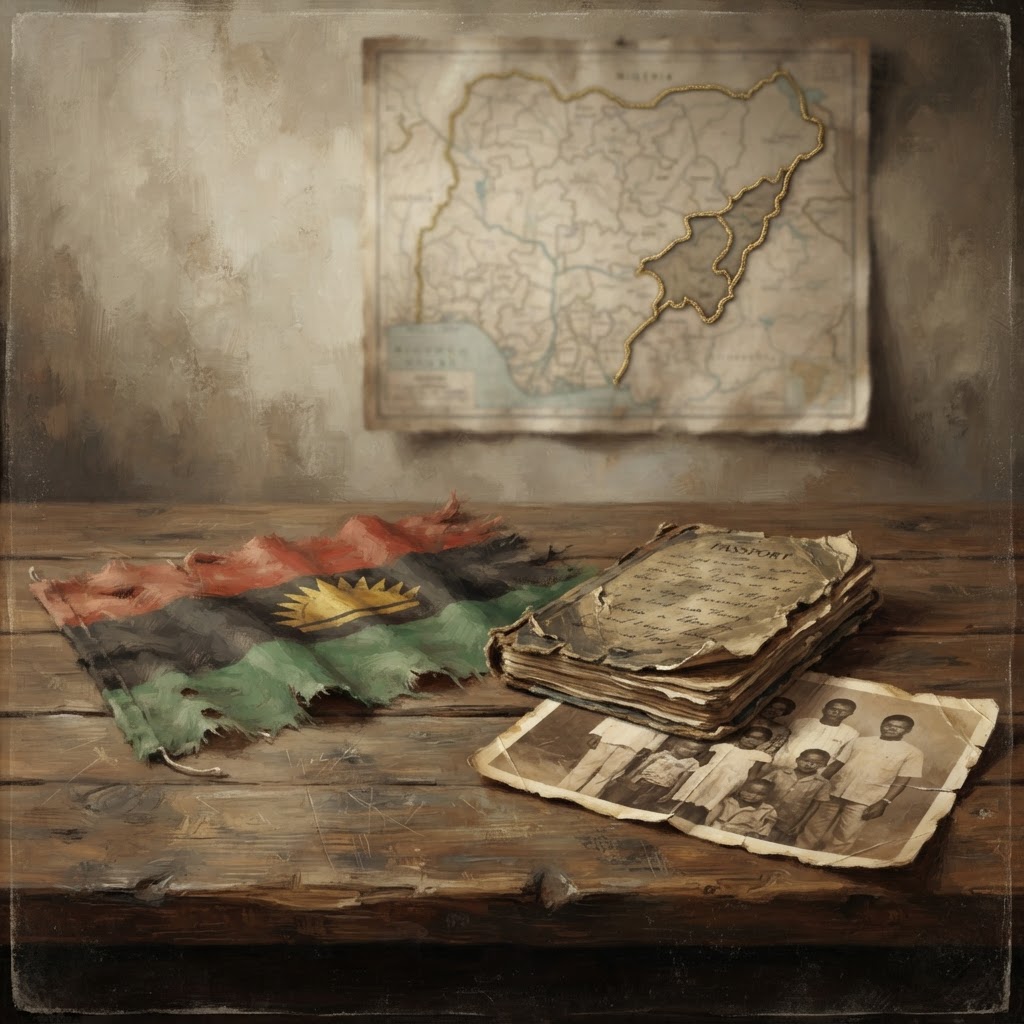
Nigeria and the Biafra War
The colonial-era fracture this curriculum has tracked since Unit 3, finally breaking open into full civil war
This unit follows a single thread from its earliest appearance in this curriculum: the artificial unity Britain imposed on Nigeria's Hausa-Fulani, Yoruba, and Igbo peoples. Within seven years of independence, that unity collapsed into coups, ethnic massacre, secession, and a three-year civil war whose deliberate starvation blockade killed more people than the fighting itself, and whose reconciliation policy remains, more than half a century later, a subject of genuine dispute among the very people it was meant to reconcile.
Learning Objectives
- •Students will be able to trace the causal chain from Britain's colonial administrative choices in Nigeria, examined earlier in this curriculum, through the 1966 coups and anti-Igbo pogroms to Biafra's 1967 secession.
- •Students will analyze the Nigerian federal government's blockade strategy as a deliberate military policy and evaluate the international debate over whether the resulting famine constituted genocide.
- •Students will assess Yakubu Gowon's post-war 'No Victor, No Vanquished' reconciliation policy as both a genuine departure from typical post-civil-war punishment and a policy whose actual implementation remains contested by Igbo communities more than fifty years later.
- •Students will connect this unit's material to the pattern established across this curriculum regarding colonial border-drawing, ethnic conflict, and the gap between a stated reconciliation policy and its lived, measurable outcome.